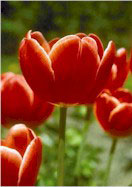
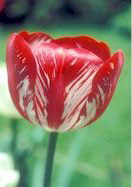
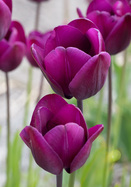
Though preservation is our mission, bulbs drop out of our catalog every year.
Sometimes it’s because the harvest was too small. Sometimes it’s because they’re widely available elsewhere and don’t need our help. And sometimes it’s because we’ve lost our only known source due to severe weather (cold, drought, etc.), health problems (a debilitating stroke), or economic woes (small farmers are always at risk).
The good news is that, in time, we’re often able to return these bulbs to our catalog. So here’s a list of many we’ve offered in the past. For an alert the moment they’re available again, subscribe to our free email newsletter. Or to find a similar bulb, try our easy Advanced Bulb Search.
|
|
|
|
|
|
|
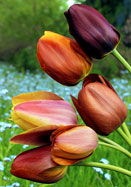
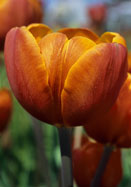
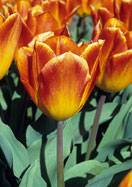
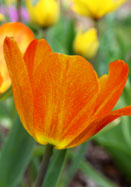
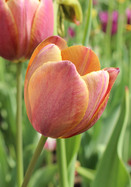
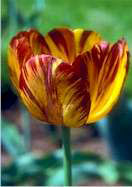
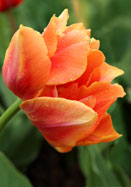
Always rare and alluring, brown tulips were especially prized during the Arts-and-Crafts era of the early 20th century. In this special sampler you’ll get 4 extra-rare beauties in shades of amber, bronze, terra-cotta, cinnamon, and mahogany: 1 ‘James Wild’ (from 1890), 1 ‘Dom Pedro’ (1906), 1 ‘Jules Favres’ (1913), and 1 ‘Old Times’ (1905). Dutch Breeder/Single Late, zones 4a-7b(8bWC), from the Hortus Bulborum. See our other brown tulips.
|
|
|
|
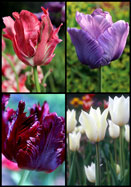
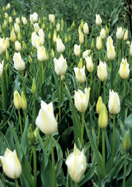
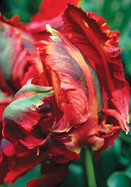
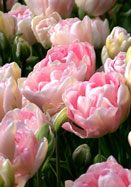
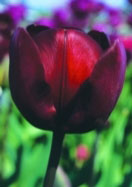
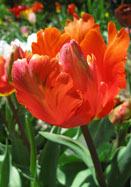
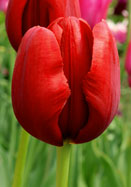
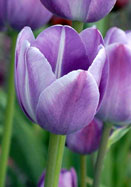
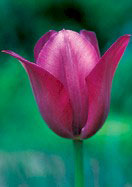
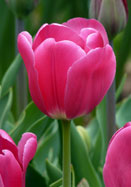
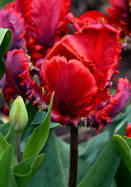
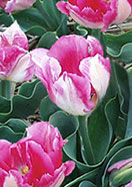
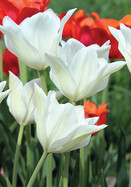
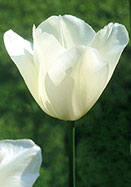
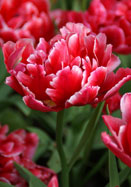
In 1962 when President Kennedy asked Bunny Mellon to transform the moribund Rose Garden outside his Oval Office into a flower-filled ceremonial space, her redesign featured masses of tall, luminous tulips – including the five classic beauties in this sampler. We’ll send you 3 lavender ‘Blue Parrot’, 3 flamingo-pink ‘Fantasy’, 3 maroon ‘Black Parrot’, 3 rose-pink ‘Mariette’, and 3 ‘White Triumphator’. For zones 3a-7b(8bWC). Last offered in 2016.
|
|
|
|
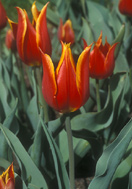
Echoing the gingerbread trim and lavish paint schemes of their houses, Victorians decorated their lawns with “carpet beds” of brightly colored flowers. Enjoy a glimpse of those exuberant designs by sampling 5 of the era’s most popular bedding tulips: 1 yellow ‘Chrysolora’ (1875), 1 white ‘Pottebakker White’ (1840), 1 bright rose ‘Proserpine’ (1875), 1 purple ‘Van der Neer’ (1860), and 1 red ‘Vuurvlam’ (1897). For zones 4a-7b(8bWC), from the Hortus Bulborum.
|
|
|
|
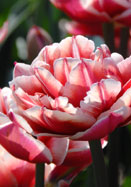
Tulips in old gardens are often a hodgepodge of survivors that nobody planned but that always looks cheery and right. This sampler of 15 tall, late-spring jewels for zones 3a-7b(8bWC) honors those time-rich jumbles. You’ll get
3 pink ‘Mariette’,
3 ‘White Triumphator’,
3 lilac ‘Bleu Aimable’,
3 pale yellow ‘Blondine’,
and 3 red ‘Kingsblood’.
For 6, 9, or more of each, order additional samplers.
If you’d like to be notified the next time we offer this treasure, click to sign up for an email alert.
|
|
|
|
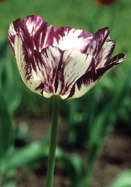
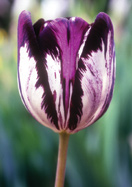
Named for the ancient demi-god of manly beauty and spring’s magic rebirth, this true English florists’ tulip is the first Bijbloemen to bloom each spring. With deep purple flames on ivory petals, it’s a thrill you’ll find yourself looking forward to all winter long. 16-18”, zones 4a-7b(8bWC), from the Hortus Bulborum.
Last offered in 2024. If you’d like to be notified the next time we offer this treasure, click to sign up for an email alert.
|
|
|
|
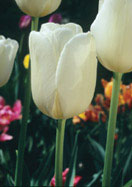
If you’ve ever lusted after Sissinghurst’s iconic White Garden, here’s a tall, elegant, late-blooming tulip that can bring a touch of that magic place to your own back yard. It’s long lasting in bouquets (combine it with ‘Golden Harvest’ and forget-me-nots for a pastel dream) and it’s fragrant! Darwin/Single Late, 19-21”, zones 3a-7b(8bWC), from Holland. Last offered in 2012. ‘Alabaster’ is now commercially extinct.
|
|
|
|
Like a bubbling brook or a misty spring morning, ‘Alba Regalis’ is sublimely cool and refreshing. The first reference we can find to it is in the RHS Journal of 1838 where it’s described as having “flowers of good shape, white faintly edged with pale yellow,” and nearly a century later garden writers in the 1920s were still recommending it. Aka ‘Royal White’, Single Early, 12”, zones 4b-7a(8aWC).
Last offered in 2008. If you’d like to be notified the next time we offer this treasure, click to sign up for an email alert.
|
|
|
|
|
|
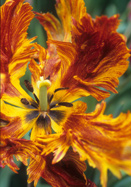
Only two parrot tulips from the 1600s survive, and you can grow this one! The jagged, billowing petals of this fabulous relic are a deep, fiery red embellished here and there with swirling brushstrokes of gold, green, and maroon. Tiny spurs and horns add to its wild allure. Its name is French (hence no “D” in Amiral), suggesting it got its start in quirky, flower-loving Flanders. (For 18th- and 19th-century parrots, see ‘Cafe Brun’, ‘Markgraaf van Baden’, and ‘Perfecta’.) Zones 4a-7b(8bWC), from the Hortus Bulborum. Last offered in 2015. ‘Amiral de Constantinople’ is now commercially extinct.
|
|
|
|
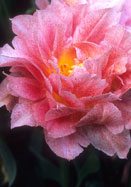
“A boudoir tulip, very frilly and feminine” says Anna Pavord of this sumptuous, award-winning tulip with its “pretty, double flowers of apple-blossom pink” maturing to deeper pink and cream. Although it’s been enormously popular for decades, its acreage in the Netherlands is now shrinking precipitously, so we’ve added it to our ark. Woo-hoo! RHS AGM winner, Double Late, 16-18”, zones 4a-7b(8bWC), from Holland. Last offered in 2014. Available elsewhere.
|
|
|
|
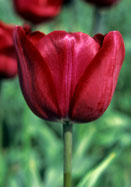
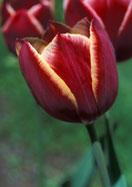
As OHG founder Scott looked up and down the rows at the Hortus Bulborum filled with hundreds of different tulips in bloom – all of them beautiful – ‘Archeron’ stood out as something special. It’s a deep garnet-red shaded with rust and smoke, well-named for the “river of woe” in the underworld of Greek mythology. Single Late, 20-24”, zones 4a-7b(8bWC), from the Hortus Bulborum.
Last offered in 2025. If you’d like to be notified the next time we offer this treasure, click to sign up for an email alert.
|
|
|
|
Strong growing and richly colored, this powerful tulip wowed us when it first bloomed here. And when we saw how its flowers lasted and lasted, we liked it even better. Each petal is a blaze of deep rose with lavender undertones shading to soft pink at the edges. The effect is dramatic and full of energy. Darwin/Single Late, 28”, zones 3a-7b(8bWC), from Holland. Last offered in 2005. ‘Aristocrat’ is now commercially extinct.
|
|
|
|
A piping of butter-cream frosting highlights the wavy leaf-edges of this striking late-Victorian tulip. It may remind you of a miniature hosta – until its brilliant, deep red flowers open. The last time the Hortus offered us any was in 2010, so get it while you can! Single Early, 10-12”, zones 4a-7b(8bWC), from the Hortus Bulborum.
Last offered in 2018. If you’d like to be notified the next time we offer this treasure, click to sign up for an email alert.
|
|
|
|
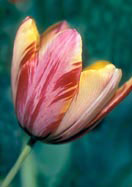
“One of the most enchanting of the Cottage tribe,” said the Scheepers catalog in 1929. A true broken tulip, this British beauty opens with “the most lovely flushes and pencilings of pale to deeper yellow and pinkish lavender to rose” and then matures to a lace-like tracery of purple on white. Our friend Betsy Ginsburg was so enchanted she wrote a time-travelling detective story exploring how it got its name. Late, 16-18”, zones 4a-7b(8bWC), from the Hortus Bulborum.
Last offered in 2014. If you’d like to be notified the next time we offer this treasure, click to sign up for an email alert.
|
|
|
|
Although unusually old for an English florists’ tulip, ‘Bessie’ can still “break” so beautifully that it wins Premier Flame in shows of the Wakefield and North of England Tulip Society. It’s small-flowered, with burgundy flames on white petals that reflex charmingly as they mature. Broken, 16”, zones 4a-7b(8bWC), from the Hortus Bulborum.
Last offered in 2014. If you’d like to be notified the next time we offer this treasure, click to sign up for an email alert.
|
|
|
|
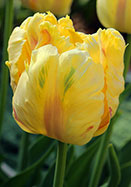
From the era of Gentlemen Prefer Blondes and Clairol asking “Is it true blondes have more fun?” comes this rare beauty whose name in Dutch means blonde. A cool, lightly ruffled flower of pale to deeper yellow subtly feathered with bits of spring green and rose, it has inspired rave reviews from many of our customers. Parrot, mid-season, 16-20”, zones 3a-7b(8bWC), from Holland.Last offered in 2021. ‘Blondine’ is now commercially extinct.
|
|
|
|
The first time this sumptuous, pearly violet, Double Late tulip bloomed, George Washington was still a teenager. Looking a bit like a lavender peony, it’s been favored by connoisseurs ever since, including Anna Pavord who writes in The Tulip that it “holds the record in my own garden for longevity of bloom, standing in good fettle for nearly a month.” 10-12”, zones 4b-7a(8aWC), from the Hortus Bulborum.Last offered in 2017. ‘Blue Flag’ is now commercially extinct.
|
|
|
|
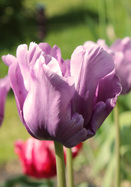
A sport of the great ‘Bleu Aimable’, this lavender beauty is a cool, sophisticated parrot, with petals that are gently ruffled rather than jagged and wild. In 1962 when JFK asked the impeccable Bunny Mellon to remake the dreary White House Rose Garden, she included luminous masses of ‘Blue Parrot’. Learn more. Parrot, 20-24”, zones 3a-7b(8bWC), from Holland.
Last offered in 2024. If you’d like to be notified the next time we offer this treasure, click to sign up for an email alert.
|
|
|
|
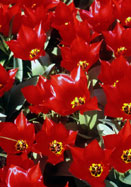
Once known as “the Christmas tulip” because it can be forced into bloom for the winter holidays, this brilliant little tulip blooms unusually early outdoors, too. Its glossy red petals are pointed, giving it a star-like form, and when they open wide in the sun to reveal their bright yellow and black center, the effect is truly “grand, rich, and dazzling” (de Jager catalog, 1949). Single Early, 10-12”, zones 3a-7b(8bWC), from Holland. Last offered in 2012. ‘Brilliant Star’ is now commercially extinct.
|
|
|
|
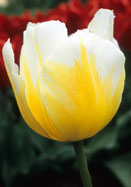
Named for the blonde-haired valkyrie who perishes in flames at the end of Wagner’s Gotterdammerung, this striking tulip has snow-white petals marked with a broad blaze of sunny yellow – or is that fiery yellow? It first caught our eye many years ago at the Hortus Bulborum, and ever since then we’ve been waiting to offer it. Single Early, 10-12”, zones 4a-7b(8bWC), from the Hortus Bulborum. Last offered in 2011. ‘Brunhilde’ is now commercially extinct.
|
|
|
|
Opening from dragon-mouthed buds that may remind you of the blood-thirsty plant in The Little Shop of Horrors, ‘Cafè Brun’s ruffled, jagged, over-caffeinated flowers are a deep gold intricately patterned with dusky-red. Although its name means “Brown Coffee” — that is, coffee with milk — it’s not really brown, just wild and cool. Be sure to look for its tiny horns and spurs. (For even older parrots, see ‘Amiral’, ‘Markgraaf’, and ‘Perfecta’.) Parrot, 12-14”, zones 4a-7b(8bWC), from the Hortus Bulborum.Last offered in 2014. ‘Cafe Brun’ is now commercially extinct.
|
|
|
|
When I first saw ‘Cardinal Rampolla’ at the Hortus Bulborum, I grabbed my camera in excitement thinking “I hope we can offer this someday!” Its broad, spade-shaped petals are a rich, dusky gold brushed with burnt orange and cinnamon. A.k.a. ‘Apricot’ and ‘Safrano’, it’s named for Cardinal Rampolla del Tindaro, who became a cause celebre when his election to Pope was vetoed by the Emperor of Austria. Single Early, 12-14”, zones 4a-7b(8bWC), from the Hortus. Last offered in 2008. ‘Cardinal Rampolla’ is now commercially extinct.
|
|
|
|
“Chocolate with fawn edges” – that’s Shirley Hibbard’s evocative 1865 description of this unusually-colored tulip. But Mrs. King’s 1921 description better captures how it looks in our garden: “soft carmine-rose, shaded fawn and margined creamy white.” Either way, it’s cool! For maximum enjoyment of the chocolate and fawn tones which fade as the flower matures, pick one when it first opens and bring it inside to savor. Single Early, 10-12”, zones 4a-7b(8bWC), from the Hortus Bulborum.
Last offered in 2023. If you’d like to be notified the next time we offer this treasure, click to sign up for an email alert.
|
|
|
|
The finest yellow tulip of the late Victorian age, ‘Chrysolora’ was offered in virtually every US catalog from Rochester’s Briggs and Bros. of 1872 well into the 1920s. Charles Allen in his 1893 Bulbs and Tuberous-Rooted Plants included it on his short list of a dozen best Single Early tulips (with ‘Couleur Cardinal’, ‘Keizerskroon’, ‘Lac van Rijn’, and ‘Pottebakker White’) and praised it as “one of the earliest, deep yellow, and handsome.” Single Early, 10-12 inches, zones 4a-7b(8bWC), from the Hortus.
Last offered in 2021. If you’d like to be notified the next time we offer this treasure, click to sign up for an email alert.
|
|
|
|
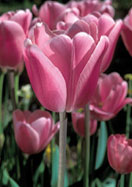
Once the world’s most popular tulip, gracing hundreds of catalog covers, this willowy, shell-pink beauty was lost to gardeners in 2007 when the last US grower finally gave it up. To save it, we sent 100 bulbs from his last harvest to our friends in Holland, and now there’s enough to share! Though bred from antique Flemish stock, ‘Clara’ was the prototypical 20th-century tulip – not feathered or flamed, not short and bright, but tall, late, pastel, and lovely. Learn more. Darwin/Single Late, 22”, zones 3a-7b(8bWC).
Last offered in 2025. If you’d like to be notified the next time we offer this treasure, click to sign up for an email alert.
|
|
|
|
This spirited little tulip is a sport of ‘Cottage Maid’, a popular favorite since 1857. It’s bright and cheery but you’ll need to take a closer look to enjoy its full beauty – a painterly combination of orange “shaded carmine red” and yellow “flushed primrose and cream” (Barr and Sons, 1916). We love it when it opens wide in the sun, too. Single Early, 9-10”, zones 4a-7b(8bWC), from the Hortus Bulborum.
Last offered in 2021. If you’d like to be notified the next time we offer this treasure, click to sign up for an email alert.
|
|
|
|
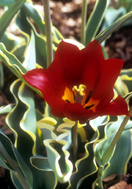
Rippling leaves edged with ribbons of gold make a stunning setting for the wine-red blooms of ‘Variegated Purple Crown’. We’ve traced it back as far as Thomas Moore’s 1881 Epitome of Gardening, and in 1889 The Journal of Horticulture called it “quite as handsome as variegated yuccas.” Its French name suggests that it originated in Flanders, a back-country part of the Netherlands famed for its expert gardeners and independent tastes. (Does that sound like you?) Single Early, 10-12”, zones 4a-7b(8bWC), from the Hortus.Last offered in 2011. ‘Couronne Pourpre Bontlof’ is now commercially extinct.
|
|
|
|
How about a tulip that’s immortal? Our customers led us to ‘Demeter’, telling us it returned and bloomed in their gardens for a decade or more. A vibrant, very rosy purple, it’s named for Demeter (say Di-MEET-er), the Greek goddess of agriculture and fertility – another good reason to grow it. Triumph, 24”, zones 3a-7b(8bWC), from Holland.Last offered in 2020. ‘Demeter’ is now commercially extinct.Last offered in 2008. ‘Demeter’ is now commercially extinct.
|
|
|
|
Cool ‘Diana’ (named for the goddess of woodlands, wildlife, and the moon) is an elegant ivory, a favorite color in the stylish new perennial borders of the Arts and Crafts era. In fact, Gertrude Jekyll herself featured drifts of white tulips like ‘Diana’ in many of her dreamy cottage gardens. Single Early, 10-12”, zones 3a-7b(8bWC), from Holland. Last offered in 2009. ‘Diana’ is now commercially extinct.
|
|
|
|
Although the International Register dates this colorful relic only to “before 1875,” we’ve found it listed in catalogs from 1869 (Vick), 1846 (Carter), 1830 (Prince), and the Hortus Addlestonensis of 1829. With old-fashioned, pointed petals of gold and orange brush-stroked with red, it’s named for the father of Dutch independence, Willem van Oranje. Very limited supply, Single Early, 10-12", zones 4a-7b(8bWC), from the Hortus Bulborum.
Last offered in 2013. If you’d like to be notified the next time we offer this treasure, click to sign up for an email alert.
|
|
|
|
Tiny red flames ornament this winsome little tulip, spreading and intensifying as it matures. If you can bear to, cut a blossom for inside so you can enjoy the evolving pattern — which is different on every one — up close. It’s one of the fabled Duc van Tols, a group of miniature, extra-early tulips that grew in every stylish garden from about 1600 to 1900 — and now have all but disappeared. 5-7 inches tall, zones 4b-7b(8bWC), from the Hortus Bulborum.Last offered in 2011. ‘Duc van Tol Aurora’ is now commercially extinct.
|
|
|
|
True stock! Neither words nor film can quite capture the color of this heart-pounding double. It’s a rose so deep it’s almost red – but not red – an intense purplish-crimson like . . . homemade raspberry jelly? We quit offering ‘Electra’ a decade ago when Dutch stocks became hopelessly confused with a crayola-red impostor, but these bulbs from the Hortus Bulborum are the real deal, and thrilling. Double Early, 12-14”, zones 4b-7a(8aWC), from the Hortus Bulborum. Last offered in 2014. ‘Electra’ is now commercially extinct.
|
|
|
|
Here’s a vanilla that’s far from plain – and deliciously fragrant! An ancestor of today’s lily-flowered tulips, it’s a Devon-cream colored, vase-shaped beauty with long slender petals that twist and reflex gently for an almost whirling effect. Aka ‘White Crown’, Cottage/Lily-flowered, 16”, zones 4a-7b(8bWC) from the Hortus Bulborum. See our other unusually fragrant tulips.
Last offered in 2022. If you’d like to be notified the next time we offer this treasure, click to sign up for an email alert.
|
|
|
|
With its ruffled, flame-shaped petals of soft peach, yellow, and rose, this enchanting mid-century double looks almost like a pastel spring campfire. It’s named for an 18th-century Swedish artist famed for his romantic landscape paintings, and I bet he would have liked this painterly and romantic tulip. Double Early, 10-12”, zones 4b-7a(8aWC), from the Hortus Bulborum. Last offered in 2018. ‘Elias Martin’ is now commercially extinct.
|
|
|
|
This is not your ordinary yellow tulip! Variously described as “primrose-ivory” and “pale butter yellow,” this ethereal flower glows like moonlight in the garden. It combines beautifully with everything from lilacs to ‘Black Parrot’ to the first blooms of iris season, and if you’re like us, once you’ve tried it you’ll never want to garden without it. Single Late, 26-30”, zones 3a-7b(8bWC), from Holland. Last offered in 2017. ‘Elsie Eloff’ is now commercially extinct.
|
|
|
|
One of the most popular and important tulips of the 20th century, this pastel beauty brought parrot tulips back into vogue after they’d been scorned for decades as merely oddities. A sport of the great ‘Clara Butt’, it’s a wonderfully ruffled shell-pink with subtle flickerings of spring green and cream. Although it seemed lost in 2012, it’s back and we’re thrilled to share it with you. Parrot, 20-22”, zones 3a-7b(8bWC), from Holland. Last offered in 2012. ‘Fantasy’ is now commercially extinct.
|
|
|
|
“An old friend, entrancing in its rich brownish scarlet tints,” wrote famed plantsman J. Horace McFarland in 1927 of this once highly fashionable tulip. Although first offered about 1906, it was originally one of 400 “breeder” or self-colored tulips in the fabulous collection of Vincent van der Vinne which was sold at auction in 1863. Dutch Breeder/Single Late, 22-24”, zones 4a-7b(8bWC), from the Hortus Bulborum. Last offered in 2018. ‘Feu Ardent’ is now commercially extinct.
|
|
|
|
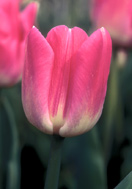
This award-winning classic gets rosier and more vibrant every day, and its thick petals make it long-lasting in bloom, so you get more beauty from every bulb. It looks especially good mingled with whites and purples – a tip from English garden maven Rosemary Verey. Triumph, 16-18”, zones 3a-7b(8bWC), from Holland.
|
|
|
|
Richly fragrant and long-lived, ‘Generaal de Wet’ is a worthy scion of the legendary ‘Prince of Austria’. Although orange may not be traditional or expected in the spring garden, try a few bulbs of ‘De Wet’ and we think you’ll agree that its sunny, fresh, juicy tones look right at home there. Pair it with dark purple johnny-jump-ups outside and in a vase where you can enjoy its fragrance up close. Ahhhh! Single Early, 14”, zones 3a-7b(8bWC), from Holland. See our other unusually fragrant tulips.Last offered in 2022. ‘Generaal de Wet’ is now commercially extinct.
|
|
|
|
A bit dazed after looking at row after row of antique tulips, I snapped to attention when ‘General Ney’ caught my eye. It’s decidedly different, a rich dark cordovan – or port? mahogany? – that glows with intensity. Its old-fashioned, globular shape sets it apart, too. Exceptionally rare, it’s named for the inspiring leader that Napolean called “the bravest of the brave.” Dutch Breeder/Single Late, 18-20”, zones 4a-7b(8bWC), from the Hortus Bulborum Last offered in 2017. ‘General Ney’ is now commercially extinct.
|
|
|
|
This jewel-toned double is named for one of our kind of guys. The founder of Hybrida, an innovative Dutch bulb-house, Kieft was also a tireless advocate for Double Late tulips, preserving and promoting them long after they’d fallen out of fashion. With its broad cups of wine-red and ivory petals, his namesake tulip is a fitting memorial. Double Late, 12-16”, zones 4a-7b(8bWC), from Holland.Last offered in 2013. ‘Gerbrand Kieft’ is now commercially extinct.
|
|
|
|
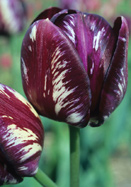
With wisps and splashes of dark violet on creamy white, “Black Glory” is one of the very oldest surviving Bijbloemen tulips. Also known as ‘Violet Ponceau’ and ‘La Victorieuse’, it was first offered in 1837 by Voorhelm and Schneevogt, a fabled bulbhouse that had catered to wealthy bulb lovers since the 17th century. 16-18”, zones 4a-7b(8bWC), from the Hortus Bulborum.
Last offered in 2014. If you’d like to be notified the next time we offer this treasure, click to sign up for an email alert.
|
|
|
|
A bonfire of “bronze, orange, and crimson” (Vick catalog, 1865), gold-edged ‘Glory of the Sun’ was offered by hundreds of US catalogs from the Linnaean Botanic Garden in 1860 to the mid-1900s. But doubles have fallen so far out of fashion that today they’re the most endangered tulips — a good reason for a big-hearted gardener like you to give one a try? Save the Doubles! 12-14”, zones 4b-7a(8aWC), from the Hortus. Last offered in 2005. ‘Gloria Solis’ is now commercially extinct.
|
|
|
|
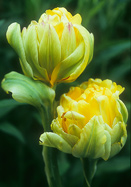
Cottage tulips were bred from ancient survivors collected from English country gardens in the late 1800s. ‘Golden Harvest’ is one of the loveliest, a soft, lemon yellow so dewy fresh that we would have named it ‘Spring Dawn’. Its excellence as a cut-flower – long-lasting, strong-stemmed, and harmonious – has preserved it. Cottage/Single Late, 26”, zones 3a-7b(8bWC), from Holland.Last offered in 2021. ‘Golden Harvest’ is now commercially extinct.
|
|
|
|
For over 250 years, this radiant, pre-Revolutionary broken tulip has been paired with the equally stunning ‘Silver Standard’. Its lemon yellow petals are striped and splashed with red for a look that’s sublimely simple and . . . well, happy. Aka ‘Gouden Standaard’, ‘Royal Standaard’. Single Early, 10-12”, zones 4a-7b(8bWC), from the Hortus Bulborum.
Last offered in 2015. If you’d like to be notified the next time we offer this treasure, click to sign up for an email alert.
|
|
|
|
This sport (mutation) of the great ‘Murillo’ is even more beautiful than its famous parent. Its ivory petals touched with pale yellow are overlaid with a fine misting of pink that deepens and spreads as the flower matures – so be sure to plant it where you can watch it evolve day by day. It’s named for the iconic clown in multi-colored garb who first appeared in 16th-century Italy’s commedia dell’arte. Double Early, 14-16”, zones 4b-7a(8aWC), from the Hortus Bulborum. Last offered in 2015. ‘Harlequin’ is now commercially extinct.
|
|
|
|
It’s a lot prettier than its name – but in Holland in 1944 “invasion” meant hope and life and everything good. In the garden, its unique coloring sets it apart. Words and photos fail it, but “warm, sandstone red with a gilt edging of cream” is close. Even if it’s “just” red and white, it gave us 31 blooms from seven bulbs its first spring here, and everyone who saw it wanted it. Triumph, 16”, zones 3a-7b(8bWC), Holland. Last offered in 2006. ‘Invasion’ is now commercially extinct.
|
|
|
|
Honoring the national motto of the Netherlands, ‘I will maintain’ proudly combines amaranth-purple with burnt orange highlights in patterns both regal and lovely. This Hortus treasure will intrigue as it changes hues during its bloom and is magnificent in a vase where you can admire its beauty up close. Single Late, 20-24”, zones 3a-7b(8bWC), from the Hortus.
Last offered in 2025. If you’d like to be notified the next time we offer this treasure, click to sign up for an email alert.
|
|
|
|
An unusually old English florist tulip, ‘Juliet’ is a lovely teacup-shaped flower from North Yorkshire with rosy-red flames on snow-white petals. Though by the Tulip Society’s rigorous show standards its patterning is less than perfect, you’re still going to gasp at its beauty. Late-blooming, 14-16”, zones 4a-7b(8bWC), from the Hortus. Last offered in 2003. ‘Juliet’ is now commercially extinct.
|
|
|
|
Richly-hued Hortus breeder ‘Klopstock’ brings the silky deep purples so prized in the spring border. We’re not sure if it was named after Friedrich Gottlieb Klopstock (1724-1803) whose lyricism revolutionized German poetry, but it’s certain to lend beauty and timeless elegance to your garden and bouquets. Single Late, 18-20”, zones 3a-7b(8bWC), from the Hortus.
Last offered in 2024. If you’d like to be notified the next time we offer this treasure, click to sign up for an email alert.
|
|
|
|
A deep, smoldering ruby that’s so dark it’s just not right to call it red, ‘Koh-I-Noor’ brings a touch of midnight and mystery to the spring garden. Even its shape is unusual – spade-like petals opening into an angular crown. It’s named for one of history’s largest and most celebrated diamonds, the 700-year-old “Mountain of Light,” now part of England’s Crown Jewels. 10-12”, zones 4a-7b(8bWC), from the Hortus Bulborum.
Last offered in 2021. If you’d like to be notified the next time we offer this treasure, click to sign up for an email alert.
|
|
|
|
If you can look at it with Victorian eyes, you’ll love ‘Kroeskop’ for its rich colors, complexity, and profusion. Its abundant petals are irregularly notched and frilled, giving rise to its Dutch name which translates as “frizzy-head.” Since we first saw it blooming in all its crimson, gilt-edged glory at the Hortus Bulborum, we knew we wanted to share it with you. Double Early, 10-12”, zones 4b-7a(8aWC). Last offered in 2011. ‘Kroeskop’ is now commercially extinct.
|
|
|
|
This lovely lavender tulip with its short, old-fashioned cup was once part of the “unrivalled collection” of Vincent van der Vinne which was sold at auction in 1863. La Harpe is French for “the harp,” but it’s also the name of three prominent 18th-century Frenchmen: a general, a playwright, and – our favorite – an early explorer of Texas, Arkansas, and Oklahoma. Single Late, 18-22”, zones 3a-7b(8bWC), from the Hortus Bulborum.
Last offered in 2024. If you’d like to be notified the next time we offer this treasure, click to sign up for an email alert.
|
|
|
|
Antique beyond its years, this quaint little ‘Rose Queen’ looks a lot like the tulips in Besler’s magnificent Hortus Eystettensis of 1613. Its graceful, flame-shaped petals shade from ruby to deep rose to a feathery edging of pink, and it seems to glow with all the energy of spring itself. Single Early, 10-12”, zones 4a-7b(8bWC), from the Hortus Bulborum. Last offered in 2010. ‘La Reine Rose’ is now commercially extinct.
|
|
|
|
Bulb merchants have tried for over a century to capture in words the unusual colors of this elegant old tulip. One called it “deep crimson lake with a wide margin of blush pink,” another “claret purple tipped old rose.” Maybe best of all was Peter Henderson in 1907 who called it “silky plum shading off to silvery pink at the edges.” Its shape is equally distinct, with broad, pointed petals that arch gently outwards. All in all, it really is remarquable. Single Early, 10-12”, zones 4a-7b(8bWC), from Hortus Bulborum. Last offered in 2012. ‘La Remarquable’ is now commercially extinct.
|
|
|
|
This vibrant rose-colored tulip is delicately highlighted with a faint bronze blush on its outer petals. In 1921 when tall, late tulips in artistic shades like this were the height of fashion, ‘Le Mogol’ was part of a spectacular display showcasing over 300 different varieties of Breeder and Darwin tulips at the New York Botanical Garden. Single Late, 22-24”, zones 3a-7b(8bWC), from the Hortus Bulborum.
Last offered in 2024. If you’d like to be notified the next time we offer this treasure, click to sign up for an email alert.
|
|
|
|
This jewel-toned beauty is a worthy emblem of its namesake, England’s traditional bulb-growing district. It’s a glorious deep red, late-blooming, tough, and highly endangered — only one farmer in the world still grows it today. If it were “just another red tulip,” would our customers be writing us love letters about it? Cottage/Single Late, 20”, zones 3a-7b(8bWC), from Iowa (yes, Iowa!). Last offered in 2007. ‘Lincolnshire’ is now commercially extinct.
|
|
|
|
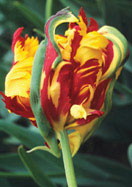
Hockey fans may love this classic Bizarre because of its name (Go Red Wings!), but gardeners love it because it’s so gorgeously flamed with rich mahogany-red on gold. It often wins Premier Flame at shows of the Wakefield and North of England Tulip Society, and we never seem to get enough of it. Broken, late-blooming, 16-20”, zones 4a-7b(8bWC), from the Hortus Bulborum.
Last offered in 2024. If you’d like to be notified the next time we offer this treasure, click to sign up for an email alert.
|
|
|
|
One of the break-out stars from our former Brown Sugar sampler, this “handsome Old Dutch Tulip,” to quote the Barr and Sons catalog of 1931, is “golden-bronze, the outer petals being flushed plum” – and it’s fragrant. Although it was officially introduced in 1913, Wister says it was listed by Krelage as far back as 1870. Dutch Breeder/Single Late, 22-26”, zones 4a-7b(8bWC), from the Hortus Bulborum.
Last offered in 2024. If you’d like to be notified the next time we offer this treasure, click to sign up for an email alert.
|
|
|
|
This wildflowery gem offers small, vase-shaped blooms of pale lemon to cream blushed with rose on graceful, wiry stems. A “neo-tulip” discovered growing wild in France in 1894, it is now considered most likely to be a much older garden “escape.” Cheap counterfeits are common, so for the real thing, come to us! 14”, zones 3a-7b(8bWC), from Holland.
Last offered in 2022. If you’d like to be notified the next time we offer this treasure, click to sign up for an email alert.
|
|
|
|
The mad “Count of Baden” is one of the most celebrated tulips in all of history. Wildly ruffled and fringed and spiked with tiny spurs and horns, its swirling petals of gold, red, and green may remind you of molten lava cascading down a tropical mountainside. As always, we have very few bulbs, so don’t delay! (For other exceptionally rare parrots, see ‘Amiral’, ‘Cafe Brun’, and ‘Perfecta’.) Parrot, 16-18”, zones 4a-7b(8bWC), from the Hortus Bulborum. Last offered in 2014. ‘Markgraaf van Baden’ is now commercially extinct.
|
|
|
|
Winner of the prestigious RHS Award of Garden Merit, this mid-century classic has “buff rose” petals enlivened by silvery pink petal edges and “a broad flame of raspberry” (Killingback, Tulips). After decades of popularity, it’s getting harder and harder to find – so we’ve added it to our ark. Triumph, 22-24”, zones 3a-7b(8bWC), from Holland. Last offered in 2021. ‘Mirella’ is now commercially extinct.
|
|
|
|
Variegated plants are quite the rage today, but here’s one we’re pretty sure none of your neighbors are growing. Bontlof is Dutch for variegated, and the deep green leaves of ‘My Treasure’ are richly bontlof with a ribbon-like edging of yellow that harmonizes exquisitely with its glowing yellow flowers. And it’s fragrant! Who could ask for anything more? Single Early, 10-12”, zones 4a-7b(8bWC), from the Hortus. Last offered in 2016. ‘Mon Tresor Bontlof’ is now commercially extinct.
|
|
|
|
Although double tulips were most popular in Victorian gardens, this later introduction was lauded in catalogs through the 1930s as “extra good,” “one of the finest,” and “exquisite.” Its fragrant, pure yellow, overstuffed flowers light up the garden like big bowls of sunshine. Last offered in 2012, Double Early, 10-12”, zones 3a-7b(8bWC), from the Hortus Bulborum. Last offered in 2017. ‘Mr. Van Der Hoef’ is now commercially extinct.
|
|
|
|
This “indispensable” old Irish tulip was lauded for its “exquisite scent, a delicate elusive perfume” by A.D. Hall in his 1928 masterpiece, The Book of the Tulip. One of a fabulous assortment of old, cottage-garden tulips collected by William Baylor Hartland of Cork in the late 1800s, it has also been known as Gesneriana lutea pallida and ‘Bird of Paradise’ — and there is something delightfully bird-like about its graceful shape. Single Late, 18-20”, zones 4a-7b(8bWC), from the Hortus. Last offered in 2004. ‘Mrs. Keightley’ is now commercially extinct.
|
|
|
|
Majestically tall and elegant, this sturdy, long-lived beauty was first sold in 1931 for $5 a bulb — in Depression dollars! Its extra oomph comes from extra chromosomes; it’s considered the world’s first tetraploid tulip. Deep canary yellow, Single Late/Cottage, 30”, zones 3a-7b(8bWC), from Holland. Last offered in 2008. ‘Mrs. Sheepers’ is now commercially extinct.
|
|
|
|
One of history’s most famous tulips, ‘Murillo’ was wildly popular during Victorian days, and even as late as 1912 The Garden reported that “ladies simply rave over it.” It’s also wildly prolific, having produced over 130 “sports” (mutations) including most of today’s Double Earlies. Think what it might produce for you! Double Early, 10-12”, zones 4b-7a(8aWC), from the Hortus. Last offered in 2014. ‘Murillo’ is now commercially extinct.
|
|
|
|
This deliciously fragrant flower is “one of the best of all tulips,” writes Anna Pavord in her monumental Bulb, although it’s “not for the faint-hearted.” (Does that sound like a challenge?) Its buds open into “stupendous,” glossy, ruffled blooms of orange feathered with wisps of rose and green. Although the harvest was so small we didn’t put it in our print catalog this year, here it is! Parrot, 20” , zones 3a-7b(8bWC), from Holland. See our other unusually fragrant tulips.Last offered in 2017. ‘Orange Favorite’ is now commercially extinct.
|
|
|
|
An exotic green and gold protea from some trendy SoHo floral designer? No, but that’s what this 300-year-old double tulip looks like when it first starts to open — and no modern tulip looks anything like it! For a close-up view of its weird beauty, simply click on our small photo. Now 13. Last offered in 2013. ‘Paeony Gold’ is now commercially extinct.
|
|
|
|
A great staff favorite here at Old House Gardens, elegant ‘Papillon’ has unusually dark, garnet-red petals that seem even darker because of their broad, feathery edging of gold (or is that melted butter?). It’s named for the darkly romantic Madame Papillon, an 1860 ballet by Offenbach and Taglioni about a butterfly (papillon is French for butterfly) that perishes in flames. Single Late, 18-20”, zones 4a-7b(8bWC), from the Hortus. Last offered in 2008. ‘Papillon’ is now commercially extinct.
|
|
|
|
Like a brilliant flag whipped into a frenzy by raging winds — or the claw of some freakish lobster from the Great Barrier Reef — or a Baroque filigree splashed with paint by the Color Kittens — that’s ‘Perfecta.’ One of Nature’s weirdest and most wonderful jewels, it’s been preserved by gardeners for over 250 years. (For other extra-rare parrots, see ‘Amiral de Constantinople’, ‘Cafe Brun’, and ‘Markgraaf van Baden’.) 18”, zones 4a-7b(8bWC), from the Hortus Bulborum. Last offered in 2014. ‘Perfecta’ is now commercially extinct.
|
|
|
|
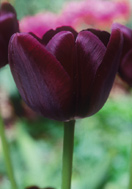
“Dark polished mahogany,” is how Peter Henderson described this tall, late tulip in 1929, but it always reminds us of dark sweet cherries. Despite its dramatic looks, ‘Philippe’ had vanished from American gardens until we reintroduced it in 1998. The great ‘Black Parrot’ is its ruffled sport (mutation). Single Late/Darwin, 20-24”, zones 3a-7b(8bWC), from Holland. Last offered in 2021. ‘Philippe de Comines’ is now commercially extinct.
|
|
|
|
Shaded with a mist of tiny pink speckles that get deeper and more numerous every day, this extra-rare double tulip gradually transforms itself from near-white to rosy pink – almost as if it’s blushing in slow motion. A golden glow deep inside adds to its ethereal beauty. Double Early, 10-12”, zones 4b-7a(8aWC), from the Hortus Bulborum. Last offered in 2015. ‘Pompadour’ is now commercially extinct.
|
|
|
|
Every Victorian gardener would have recognized the name ‘Pottebakker White’. Although tulips come and go, this “pure white, bold flower” (Rawson catalog, 1889) was the most popular white tulip from the mid-1800s well into the early 1900s. Sturdy and bright in the garden, it was also, according to the 1887 Prairie Farmer, “a great favorite with the cut-flower men.” Single Early, 10-12”, zones 3a-7b(8bWC), from the Hortus Bulborum. Last offered in 2016. ‘Pottebakker White’ is now commercially extinct.
|
|
|
|
When the last Dutch farmer growing this classic tulip decided to quit it several years ago, we bought his entire stock to save it from oblivion. Now you can help! It’s a deep, radiant rose-pink over a broad base of ivory, and it all but buzzes with energy. Triumph, mid-season, 17-19”, zones 3a-7b(8bWC), from Holland. Last offered in 2012. ‘Preludium’ is now commercially extinct.
|
|
|
|
More than red, this “magnificent tulip” (in the words of the Barr and Sons catalog of 1950) is a “unique shade of fiery orange-red” shaded with deep brown undertones of burnt sienna. Its name honors the man revered in Europe for feeding the millions left starving by World War I. Single Late, 24-26”, zones 4a-7b(8bWC), from the Hortus Bulborum. Last offered in 2016. ‘President Hoover’ is now commercially extinct.
|
|
|
|
Tall and shimmering, this exceedingly rare Dutch Breeder has petals of the softest lavender brightening at the edges to silver and pearl. Once part of the enormous collection of Vincent van der Vinne whose family had been growing tulips since the 1730s, it’s named for the beloved husband of Queen Victoria. Dutch Breeder/Single Late, 22-24”, zones 4a-7b(8bWC), from the Hortus Bulborum.
Last offered in 2021. If you’d like to be notified the next time we offer this treasure, click to sign up for an email alert.
|
|
|
|
Sheer elegance and grace, that’s ‘Professor Schotel’. Its distinctively long, rounded petals are poised as gracefully as ballet dancers — or a pair of lips, breathless with anticipation. Its sophisticated, deep violet tones would have been perfect for a Gertrude Jekyll cottage garden. The Zandbergen Brothers catalog of 1930 called the professor “extremely handsome,” and as you can probably tell, we totally agree. Single Late, 20-22”, zones 4a-7b(8bWC), from the Hortus. Last offered in 2008. ‘Professor Schotel’ is now commercially extinct.
|
|
|
|
“Rich, silky rose” – with the help of Google Books we found that apt description of ‘Proserpine’ repeated in dozens of publications from 1863 well into the early 1900s, along with this 1864 chromolithograph. Proserpine (proh-SER-pin-ee) was the Roman goddess whose return from the underworld every year ushered in spring. Single Early, 10-14”, zones 3a-7b(8bWC), from the Hortus Bulborum. Last offered in 2016. ‘Proserpine’ is now commercially extinct.
|
|
|
|
Tulips from the 1700s are exceedingly rare. To last that long, they have to be both wonderful and tough – like ‘Purple Crown’, a raggedy double tulip of dusky, purplish crimson that’s also called ‘The Moor’. We like to imagine a crystal vase of it sitting by Beethoven as he wrote one of his dark, somber movements. It was grown way back then, so it really could have happened! Double Early, 10-12”, zones 4b-7a(8bWC), from the Hortus Bulborum. Last offered in 2016. ‘Purperkroon’ is now commercially extinct.
|
|
|
|
Love for our deep dark ‘Greuze’ and ‘Philippe de Comines’ made us spurn ‘Queen of Night’ for years. But we couldn’t resist her beauty forever, and now we grow all three — to universal raves. Darkest of all, she’s maroon black and oh-so sophisticated. 24 inches. Pictured with ‘Philippe de Comines’, top, and ‘Greuze’, middle. Darwin/Single Late, zones 3a-7b(8bWC).
Last offered in 2002. If you’d like to be notified the next time we offer this treasure, click to sign up for an email alert.
|
|
|
|
We’re always on the lookout for something different, so when we saw this quirky old tulip in a March 2008 Garden Design article about the Hortus Bulborum, we immediately called our friends at the Hortus to reserve some. With narrow, twisted petals of red, green, and maroon, it has an asymmetric, modern-art kind of vibe, but the Hortus dates it to 1700 and tulips much like it have intrigued gardeners since the 1600s. 16-18”, zones 3a-7b(8bWC). Last offered in 2008. ‘Red Hue’ is now commercially extinct.
|
|
|
|
Prepare to be flabbergasted! This may well be the most exciting double tulip we’ve ever offered. Not only are its leaves edged with creamy white and bits of pink, but each bud starts as a fat little ball of green and white that sprouts a tuft of red at the top and then gradually opens into a unique peachy-red bloom that’s almost neon in its brilliancy. A variegated sport of the most popular double red tulip of the past 200 years, ‘RRB’ is weird, wonderful, and sure to cause a commotion! Double Early, 14”, zones 4b-7a(8aWC), from the Hortus Bulborum. Last offered in 2009. ‘Rex Rubrorum’ is now commercially extinct.
|
|
|
|
When we posted a photo of ‘Rococo’ on Facebook and asked if we should offer it, the response was an overwhelming “YES!” A sport of the great ‘Couleur Cardinal’, it’s “one of the craziest” of the “mad, magnificent” parrots, says bulb-maven Anna Pavord, with sumptuous, writhing petals of red highlighted with purple, yellow, and green. Shorter and earlier than most parrots, 14-16”, mid-season, zones 3a-7b(8bWC), from Holland.
Last offered in 2024. If you’d like to be notified the next time we offer this treasure, click to sign up for an email alert.
|
|
|
|
Named for the brave knight-hero of one of the greatest troubadour-songs of the Middle Ages, ‘Roland’ is a majestic, antique-velvety red edged with ivory. What’s more, its extra vigor often gives it a few extra petals, making for single blooms that are exuberantly full — and unique! Triumph, 20”, zones 4a-7b(8bWC), from Holland. Last offered in 2003. ‘Roland’ is now commercially extinct.
|
|
|
|
This lovely rose and white tulip became one of Victorian America’s best-loved bulbs, with countless catalogs and books calling it “beautiful,” “delicate,” and “most desirable.” Plant it up front and prepare to be charmed. Single Early, 6-8”, zones 4a-7b(8bWC), from the Hortus. Last offered in 2008. ‘Rose Gris-de-Lin’ is now commercially extinct.
|
|
|
|
Bontlof means variegated, luisante means bright or glittering, and 1850 was a long time ago — which shows in the graceful, old-fashioned profile of this charming tulip. What you can’t see here, unfortunately — since this is actually a photo of the regular, non-variegated form — is the cream-colored ribbon that outlines each rippling leaf. From the moment its distinctive foliage pushes through the cold, damp soil of early spring, ‘Rose Luisante’ is a pleasure! Single Early, 10-12”, zones 4a-7b(8bWC), from the Hortus Bulborum. Last offered in 2014. ‘Rose Luisante Bontlof’ is now commercially extinct.
|
|
|
|
This extraordinary tulip is considered the oldest surviving English florists’ tulip, having “first bloomed about 1820” according to tulip-breeder John Slater in his 1843 Descriptive Catalogue of Tulips. Richly patterned with mahogany-red on gold, it multiplies slowly and is very rarely offered today, even by us. Aka ‘Charles X’, ‘Defiance’, ‘Duke of Lancaster’, ‘Le Conquerant’, ‘Page’s George IV’, ‘Platoff’, ‘Victory’, and ‘Waterloo’. 16-18”, zones 4a-7b(8bWC), from the Hortus Bulborum.
Last offered in 2025. If you’d like to be notified the next time we offer this treasure, click to sign up for an email alert.
|
|
|
|
Perhaps the most famous of the English broken tulips, ‘Sam Barlow’ is richly flamed with deep red-brown on yellow. Bred by “railway man and florist, Tom Storer, who grew his tulips along the embankments of Derby’s railways” (Pavord), it’s named for the owner of Victorian England’s greatest tulip collection, a man who once offered to buy all of the bulbs of an especially fine broken tulip for their weight in gold — and ended up paying even more. Late-blooming, 18”, zones 4a-7b(8bWC), from the Hortus Bulborum. Last offered in 2014. ‘Sam Barlow’ is now commercially extinct.
|
|
|
|
No taller than a crocus and almost as early, this wild tulip is a cheery little flame of spring. When it bloomed in a display of our historic tulips on Park Avenue, it inspired Verlyn Klinkenborg of The New York Times to write a terrific editorial-page column about it. Parent of the whole ‘Duc van Tol’ clan, it’s a good stand-in for colonial ‘Duc van Tol Red and Yellow’ — and wonderful in its own right. 4-6”, zones 4a-7b(8bWC), from Holland. Last offered in 2006. ‘schrenkii’ is now commercially extinct.
|
|
|
|
Many spectacular broken tulips bloom in our trial garden, but it seems EVERYONE wants to take ‘Spaendonck’ home with them. With its shapely blooms swirled with crimson, lilac, and rosy-purple on cream, it’s a fitting tribute to Cornelis van Spaendonck (1756-1840), Dutch flower painter and director of the great Sevres porcelain works. Single Early, 12-14”, zones 4a-7b(8bWC), from the Hortus Bulborum.
Last offered in 2014. If you’d like to be notified the next time we offer this treasure, click to sign up for an email alert.
|
|
|
|
Although this looks like a very old broken tulip, it’s actually a virus-free, genetically streaked Rembrandt tulip introduced in 1960. And though we usually scorn modern Rembrandt tulips as crude — and we’ve never offered a tulip this young before — when we saw ‘Striped Sail’ in bloom at the Hortus Bulborum, its dramatic beauty won us over. ’Nuff said? Mid-season blooming Triumph, 14”, zones 4a-7b(8bWC), from the Hortus.
Last offered in 2008. If you’d like to be notified the next time we offer this treasure, click to sign up for an email alert.
|
|
|
|
This BIG, bold, elegant tulip “will make you drool,” wrote East Hampton fashionista Dianne Benson. It holds its large yet graceful flowers on stems up to 30 inches tall, and its color – vivid orange blended with fuchsia – is truly stunning. Award of Garden Merit, Single Late, 30-32”, zones 3a-7b(8bWC), from Holland.
Last offered in 2024. If you’d like to be notified the next time we offer this treasure, click to sign up for an email alert.
|
|
|
|
The fragrance of “TAY-rohs” shouldn’t have surprised us since its Dutch name means “tea rose,” but give it a sniff and we bet you’ll be surprised at how great it smells, too. And it’s a treat for the eyes — opening pale primrose faintly misted with pink, it gets rosier and more richly speckled every day. Double Early, 12”, zones 4b-7a(8aWC), from the Hortus Bulborum.
Last offered in 2014. If you’d like to be notified the next time we offer this treasure, click to sign up for an email alert.
|
|
|
|
This very rare, sweetly scented tulip is an intriguing, rusty color that catalogs over the years have struggled to describe: “nankeen-orange,” “terra-cotta shaded gold,” “orange shaded with buff,” even “light brown.” It was offered by New York’s Linnaean Botanic Garden nursery in 1830, and nearly a century later it was a “special favorite” of garden diva Louise Beebe Wilder. Its name honors the Renaissance statesman, author of Utopia, and saint beheaded for opposing Henry VIII. Single Early, 12-14”, zones 4a-7b(8bWC), from the Hortus Bulborum. Last offered in 2011. ‘Thomas Morus’ is now commercially extinct.
|
|
|
|
This voluptuous, nearly 250-year-old double tulip has billowing red petals edged with a mellow, butterscotch yellow, making it colorful enough for Victorian carpet-bedding yet lovely enough that it was once a leading cut-flower at London’s stylish Covent Garden market. Today it’s exceptionally rare, and we’re thrilled to be able to offer it! Double Early, 10-12”, zones 4a-7a(8bWC), from the Hortus Bulborum. Last offered in 2016. ‘Tournesol Red and Yellow’ is now commercially extinct.
|
|
|
|
Named for the “Little Bear” constellation, this bright, early tulip is deep yellow with an impossibly thin, all but invisible outline of red, as if the edges were glowing from inner heat. Tulips are grown on more than 26,000 acres in the Netherlands, but this endangered gem accounts for little more than one thousandth of one percent of the total crop. Single Early, 12”, zones 4a-7b(8bWC), from Holland. Last offered in 2002. ‘Ursa Minor’ is now commercially extinct.
|
|
|
|
A long-time customer favorite until it dropped out of mainstream production in 2012, this rosy-purple relic comes to us today from our friends at the Hortus Bulborum, albeit no longer at mainstream prices. It once starred in flamboyant Victorian ribbon beds and carpet-bedding, but it’s just as beautiful in modern mixed borders today. Single Early, 10-12”, zones 4a-7b(8bWC), from the Hortus Bulborum.
Last offered in 2023. If you’d like to be notified the next time we offer this treasure, click to sign up for an email alert.
|
|
|
|
Named for the Roman god of fire, volcanoes, and metalworking, this ruddy bronze and copper-colored tulip is one of the last surviving Dutch Breeders, a group of tulips in unusual “art shades” that were the height of fashion during the Arts and Crafts era. In the words of that illustrious half-Vulcan Mr. Spock, may it “live long and prosper!” Dutch Breeder/Single Late, 20-24”, zones 4a-7b(8bWC), from the Hortus Bulborum. Last offered in 2017. ‘Vulcan’ is now commercially extinct.
|
|
|
|
If red tulips bore you, try this radiant beauty from the Hortus. What sets it apart is its antique form. In the morning its pointed, tightly-clasped petals give it a flame-like look (in Dutch its name means “fire-flame”) and then later as the day warms up they curl gracefully open. Although popular in formal Victorian pattern-bedding, to our eye it has the purity and grace of a wildflower. Single Early, 10-12”, zones 4a-7b(8bWC), from the Hortus Bulborum. Last offered in 2016. ‘Vuurvlaam’ is now commercially extinct.
|
|
|
|
Did Benjamin Franklin grow this legendary tulip? He could have! Its lively rose and white petals are illuminated by a broad yellow flare at the base, and its antique shape echoes the pointed-petaled tulips of Elizabethan herbals. Wapen means “coat of arms,’ and it was to Leiden in the late 1500s that Clusius brought the first tulips ever grown in Holland. Single Early, 12-14”, zones 4a-7b(8bWC), from the Hortus Bulborum.
Last offered in 2017. With luck the Hortus will offer us more bulbs this fall. If you’d like to be notified the next time we offer this treasure, click to sign up for an email alert.
|
|
|
|
Recalling both jesters’ caps and the first Turkish tulips that came to Europe in the 1500s, ‘West Point’ has narrow, pointed petals that curve back gracefully and dramatically. That and its many other good qualities led the RHS in 1995 to honor it with an Award of Garden Merit as a plant that should be in every garden (yes, including yours!). Lily-flowered, 20”, zones 3a-7b(8bWC), from Holland.
Last offered in 2008. If you’d like to be notified the next time we offer this treasure, click to sign up for an email alert.
|
|
|
|
Our friend Ryan Gainey, the late, lamented godfather of romantic Southern gardens, turned us on to this willowy beauty when he asked us to find true stock for him. Touched with the slightest hint of spring green, its long white petals twist and reflex just slightly, languidly, cool and elegant. Lily-flowered, 23-25”, zones 3a-7b(8bWC), from Holland.
Last offered in 2025. If you’d like to be notified the next time we offer this treasure, click to sign up for an email alert.
|
|
|
|
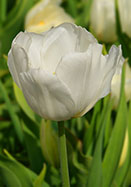
Although we’re still mourning the loss of ‘Alabaster’ and ‘Diana’; (both commercially extinct, though counterfeits are rife), when this sparkling white, mid-season, mid-century RHS Award of Garden Merit winner blooms here, we feel a lot better. Triumph, 18-22”, zones 3a-7b(8bWC), from Holland.
Last offered in 2014. If you’d like to be notified the next time we offer this treasure, click to sign up for an email alert.
|
|
|
|
“Amazing!” raved our good customer Tracy DiSabato-Aust, author of The Well-Tended Perennial Garden, when this vibrant double first bloomed for her. It’s a warm, coppery peach with Renoir-like shadings of rose and cream, a sport of our best-selling ‘Peach Blossom’, and named for the father of the Dutch Republic on his 400th birthday. Double Early, 11”, zones 3a-7b(8bWC), from Holland.
Last offered in 2021. If you’d like to be notified the next time we offer this treasure, click to sign up for an email alert.
|
|
|
|
With ruffled petals of deep carmine-rose shading to an edging of silver and pearl, ‘Willemsoord’ adds a rich note of counterpoint to spring’s pastels. Its name honors a Dutch utopian community founded in 1820 to give homes and farmland to the poor. Double Early, 10-12”, zones 3a-7b(8bWC), from Holland. Last offered in 2021. ‘Willemsoord’ is now commercially extinct.
|
|
|
|
Mozart, William Blake, and Betsy Ross all could have grown this 18th-century treasure, and now you can, too! Its sweet fragrance is just one of its many virtues. As late as the 1920s it was still being forced in “enormous numbers” because “the flower lasts a long time and retains its splendid form and perfect color” (LaPark catalog, 1922). Its cheery yellow is often misted with bronze, “giving it an old-gold effect.” Aka ‘Gele Prins’, Single Early, 9-12”, zones 4a-7b(8bWC), from the Hortus Bulborum. Last offered in 2004. ‘Yellow Prince’ is now commercially extinct.
|
|
|
|
A true survivor from the days of Tulipomania, this legendary broken tulip may be the most beautiful tulip we’ve ever grown. Its long, pointed petals are exquisitely patterned with shades of strawberry on cream. Try one yourself and you’ll understand how people could once have traded fortunes for tulips like this — in fact, for this very tulip. 16-18”, zones 4a-7b(8bWC).
Last offered in 2022. If you’d like to be notified the next time we offer this treasure, click to sign up for an email alert.
|
|