



Throughout our site, these treasures are highlighted with a green or purple bar and the word Rarest. Most you can’t get anywhere else in North America, and the rest you’d be very hard-pressed to find. That makes them extra-endangered — and extra-exciting in the garden.
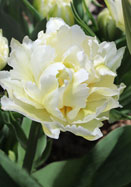
Schoonoord, 1909
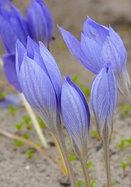
Crocus speciosus ‘Conqueror’, 1967
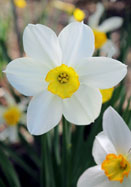
White Lady, 1897
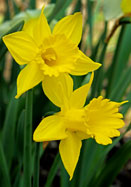
Golden Spur, 1885
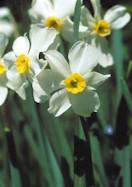
Twin Sisters, 1597
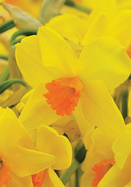
Kinglet, 1959

Carola, 1986
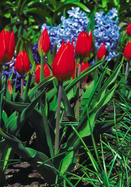
Duc van Tol Scarlet, 1850
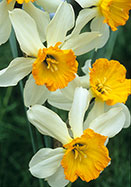
Will Scarlett, 1898
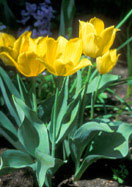
Duc van Tol Yellow, 1830
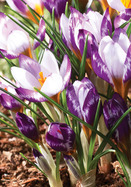
Hubert Edelsten, 1924
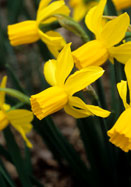
Little Witch, 1921
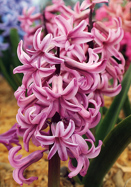
Anna Liza, 1972
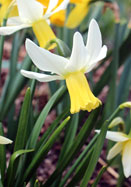
Jenny, 1943
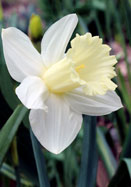
Broughshane, 1938
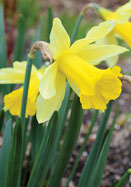
Princeps, 1830
|
Rarest for SPRING PlantingDAHLIA
merckii dahlia, 1838 – hardy, single-flowered and multi-colored
Andries’ Orange dahlia, 1936 – flower arranger’s delight
Arthur Hambley dahlia, 1955 – lavender-pink elephant
Bloodstone dahlia, 1939 – as brilliant as the ancient gem
Clair de Lune dahlia, 1946 – elegant and wildflowery
Deuil du Roi Albert dahlia, 1936 – royal purple and white
Fashion Monger dahlia, 1955 – stylish raspberry & cream
Firebird dahlia, 1962 – Bee-friendly, fiery red with yellow center
G.F. Hemerik dahlia, 1936 – bee-friendly dwarf
Gerrie Hoek dahlia, 1942 – “most popular dahlia of all time”
Glorie van Heemstede dahlia, 1947 – Zen-like simplicity
Golden Heart dahlia, 1955 – warm sunburst of beauty
Jane Cowl dahlia, 1928 – undulating bronze
Kaiser Wilhelm dahlia, 1881 – lemon and burgundy, green button eye
Kidd’s Climax dahlia, 1940 – huge pink dinner-plate
Le Castel dahlia – Waterlily form, white to flushed pink
Little Beeswing dahlia, 1909 – flame and yellow honeycomb
Little Robert dahlia, 1964 – pompon-sized and neon-bright
Ludwig Helfert dahlia, 1974 – orange flowers, purple stems, green foliage
Lutt Wichen dahlia, 1941 – gardenia-flowered “ground-cover” dahlia
Mrs. H. Brown dahlia, 1947 – love-child of the ‘Bishop’ & ‘Clair’
Natal dahlia, 1959 – dark red Christmas ornament
Nepos dahlia, 1958 – baby-fresh masterpiece
Nita dahlia, 1959 – freckled twin of the great ‘Juanita’
Old Gold dahlia, 1947 – flickering like a bonfire
Preference dahlia, 1955 – peachy-pink with dark stems
Prince Noir dahlia, 1954 – ruffled, dark burgundy cactus
Prinzessin Irene von Preussen dahlia, 1912 – rare white, serene and charming
Rosemary Webb dahlia, 1956 – abundant, peony-like blooms
Roxy dahlia, 1964 – short, dark-leaved, and vibrant
Shooting Star dahlia, 1984 – Pastel spiked petals
White Aster dahlia, 1879 – world’s oldest garden dahlia
White Fawn dahlia, 1942 – cool and refreshing
Winsome dahlia, 1940 – shocking beauty
Wisconsin Red dahlia, 1910? – pass-along ruby-red
York and Lancaster dahlia, 1915? – mysterious history
DAYLILY
Apricot daylily, 1893 – the very first
Autumn Minaret daylily, 1951 – up to 7 feet tall!
Caballero daylily, 1941 – Zorro’s favorite
Challenger daylily, 1949 – to five feet tall or more
lemon lily daylily, 1570 – fragrant daylily, true stock!
Luteola daylily, 1900 – my front yard daylily
Mikado daylily, 1929 – graceful mango and mahogany
Neyron Rose daylily, 1950 – raspberry-rose with ivory highlighting
Orangeman daylily, 1902 – mango-colored stars, extra old
Port daylily, 1941 – small-flowered & glowing
Potentate daylily, 1943 – with plantlets on its bloom-stalks
Purple Waters daylily, 1942 – Regal, dark-red/burgundy flowers.
Revolute daylily, 1944
Rosalind daylily, 1941 – the first red, wild from China
Theron daylily, 1934 – dark landmark
DIVERSE SPRING
powellii Album crinum, 1930 – snowy and superlative
Ehemanii canna, 1863 – arching sprays of dangling flowers
Ellen Bosanquet crinum, 1930 – “one of the South’s greatest treasures”
milk-and-wine lily crinum, 1819? 1919? – candy-striped, fragrant, and TOUGH
GLADIOLUS
Starface gladiolus, 1960 – rapturously beautiful
IRIS
Blue Rhythm iris, 1945 – award-winning Iowa farmboy
Fairy iris, 1905 – first American iris
Flavescens iris, 1813 – pale, shimmering yellow
Germanica iris, 1500 – from Rome to Van Gogh
Indian Chief iris, 1929 – wine-red, raspberry, and bronze
Loreley iris, 1909 – perfectly imperfect charmer
Madame Chereau iris, 1844 – landmark iris, our Spring 2009 Bulb of the Year
Mrs. Horace Darwin iris, 1888 – elegant white
Rarest for FALL PlantingCROCUS
Albus crocus, 1847 – the “Starry Night” tommie
speciosus ‘Conqueror’ crocus, 1967 – fall-blooming naturalizer
Hubert Edelsten crocus, 1924 – purple petals with striking white bands
Weldenii Fairy crocus, 1952 – early light purple & white naturalizer
DAFFODIL
moschatus daffodil, 1604 – demurely nodding “Swan’s Neck”
Albatross daffodil, 1891 – propeller-like petals
April Queen daffodil, 1938 – bright, flame-kissed cup
Argent daffodil, 1902 – bright double with arms akimbo
Bath’s Flame daffodil, 1913 – one of Ron Scamp’s three favorites
Beersheba daffodil, 1923 – slender ivory trumpet
Brilliancy daffodil, 1906 – luminous Arts-and-Crafts-era beauty
Broughshane daffodil, 1938 – amber-white Irish trumpet
Butter and Eggs daffodil, 1777 – the classic cottage-garden double
Conspicuus daffodil, 1869 – Victorian butterflies
Daphne daffodil, 1914 – ADS 2008 Best Historic Daffodil
Dick Wellband daffodil, 1921 – deep orange and cream
Doctor Alex Fleming daffodil, 1948 – Center is an exuberant ruffled skirt of frills and ruffles.
Feu de Joie daffodil, 1927 – free-spirited semi-double
Firebrand daffodil, 1897 – long creamy petals, fiery heart
Flower Drift daffodil, 1966 – free-flowering, frothy and vibrant
Golden Spur daffodil, 1885 – extra-early Victorian trumpet
Horace daffodil, 1894 – poet of carpe diem
Inglescombe daffodil, 1912 – a double helping of sunlight
Insulinde daffodil, 1921 – graceful, exuberant double
Jenny daffodil, 1943 – like miniature shooting stars
King Alfred daffodil, 1899 – true stock!
Kinglet daffodil, 1959 – sweetly-fragrant, glorious, and Oregon-bred
La Riante daffodil, 1931 – Sweetly scented “laughing girl.”
Laurens Koster daffodil, 1906 – pioneering poetaz
Little Witch daffodil, 1921 – cute, very cute
Louise de Coligny daffodil, 1940 – sweet-scented apricot beauty
Lucifer daffodil, 1890 – heavenly wings, devilish cup
Maximus, Trumpet Major daffodil, 1576 – loved for over 400 years!
Merlin daffodil, 1956 – glowing red-rimmed yellow hearts in pure-white blossoms
Niveth daffodil, 1931 – Thalia’s elegant, uptown cousin
Polar Ice daffodil, 1936 – too good to let go
Princeps daffodil, 1830 – graceful white and yellow wildling
Romance daffodil, 1959 – our most richly colored “pink”
Rose of May daffodil, 1950 – rose-like shape and fragrance
Rosy Trumpet daffodil, pre-1952 – starry white perianth around a long apricot trumpet
Rustom Pasha daffodil, 1930 – truly orange, sun-proof cup
Seagull daffodil, 1893 – floats like a butterfly, apricot rim
Sir Watkin daffodil, 1868 – one of the all-time greats
Twin Sisters daffodil, 1597 – aka Loving Couples, Cemetery Ladies
Twink daffodil, 1925 – a classic southern double
White Lady daffodil, 1897 – Victorian lady with a parasol
White Marvel daffodil, 1950 – unique and graceful
Will Scarlett daffodil, 1898 – dazzling groundbreaker
DIVERSE FALL
Byzantine gladiolus, 1629 – true stock!
Magnet snowdrop, 1889 – “easily recognized, even from a distance”
HYACINTH
Anna Liza hyacinth, 1972 – pink/lavender/mauve and beautiful!
Roman Pink hyacinth, 1573 – wildflowery, pink, and wonderful
Roman White hyacinth, 1597 – the rarest Roman of all
LILY
Madonna lily, 1600 BC – most historic lily of all
PEONY
Minuet peony, 1931 – ‘Mrs. Roosevelt’s beautiful sister
TULIP
clusiana tulip, 1607 – original WHITE & red
Bridesmaid tulip, 1900 – slender cherry and ivory flame
Carola tulip, 1986 – rosy-pink beauty
Columbine tulip, 1929 – purple, lace-like tracery
Cottage Maid tulip, 1857 – rose and white sweetheart
Doll’s Minuet tulip, 1968 – dancing lily-like flowers
Dom Pedro tulip, 1906 – “undoubtedly the most attractive” brown tulip
Duc de Berlin tulip, 1854 – fragrant and bold
Duc van Tol Red & White tulip, 1750 – early and cheerful
Duc van Tol Red and Yellow tulip, 1595 – ancient, landmark miniature
Duc van Tol Scarlet tulip, 1850 – perfect miniature
Duc van Tol Yellow tulip, 1830
Elegans Rubra tulip, 1872 – stark simplicity
Gander’s Rhapsody tulip, 1970 – creamy light pink petals highlighted with darker pink at their edges
Insulinde tulip, 1914 – enjoy its enchanting transformation
Konigin Wilhelmina tulip, 1965 – fragrant scarlet-orange
Mabel tulip, 1856 – barmaid’s delight?
Mieke Telkamp tulip, 1964 – cheerful early-bloomer
Old Times tulip, 1905 – “garnet and primrose”
Schoonoord tulip, 1909 – lush and radiant double
Silver Standard tulip, 1760 – dazzling red on white
The Lizard tulip, 1903 – weird name, cool flower
|



